
Territories of Peace: building safe environments for children, adolescents, and young people in northern Cauca
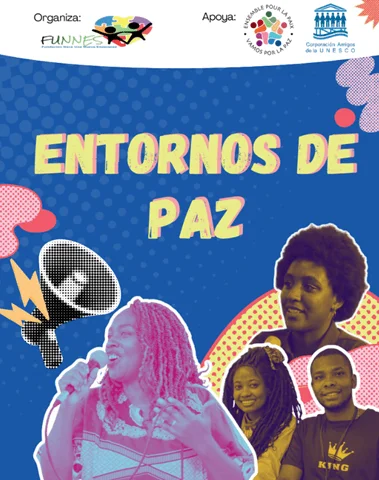
The Friends of UNESCO Corporation accompanied the New Hope Foundation in the implementation of the strategy “Territories of Peace: building safe environments for children, adolescents, and young people in northern Cauca”, an initiative supported by the Franco-Colombian consortium Let's go for peace, made up of 20 civil society organizations working to build peace in Colombia.
Territories of Peace is a strategy aimed at strengthening the protection, the collective care and the prevention of involvement and recruitment of children, adolescents, and young people by armed groups and criminal structures in northern Cauca.
The process focused on the voices of the territorythe ancestral knowledge and the collective creation as ways to defend life and build peace from the community level.
What is "Territories of Peace" and what problem does it seek to prevent?
Territories of Peace responds to a complex reality: the risk of involvement and recruitment of children and adolescents by armed and criminal structures, especially in contexts where violence directly affects life plans.
Therefore, its main purpose is to contribute to the creation of safe environments, promoting care, prevention, and protection practices from the community and the territory.
The strategy recognizes that peace is also built by strengthening individual and collective capacities to recognize risks, activate support networks, and sustain community life.
Who supported the strategy and with what approach?
The Friends of UNESCO Corporation accompanied the process developed by the New Hope Foundation, in an initiative backed by the Franco-Colombian consortium Let's go for peace.
The commitment is aligned with a perspective of territorial peace, which recognizes the value of community organization, institutional coordination, and youth participation as key actors in transforming their realities.
The approach sought to combine prevention, training, and cultural creation, integrating experiences that strengthen collective care and protection of children, adolescents, and young people.
Training cycle: arts, spirituality, and territorial knowledge
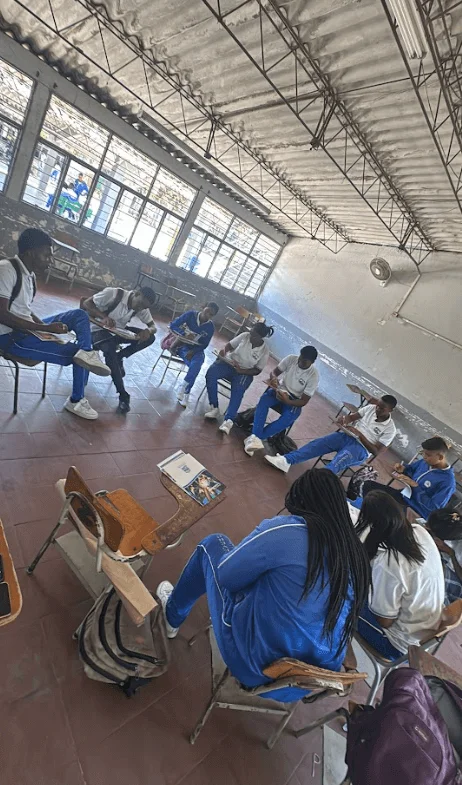
The process included a training cycle focused on the artsthe spirituality and the territorial knowledge.
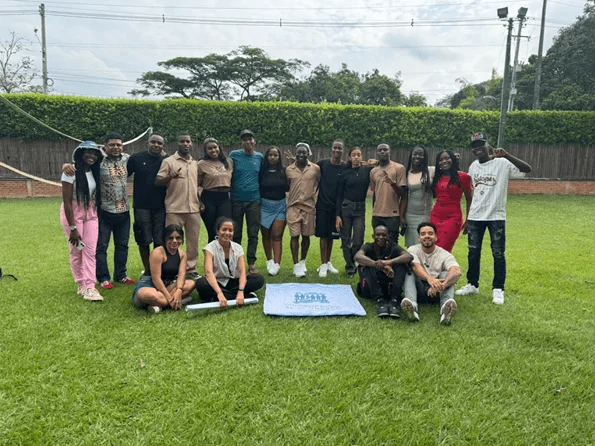
The following participated in this phase: 25 young people from Afronortecauca, who developed collective reflections on their realities, risks, and commitments to peace from the territory.
The meetings provided opportunities to recognize the context, strengthen identity, and build shared meanings around prevention and care.
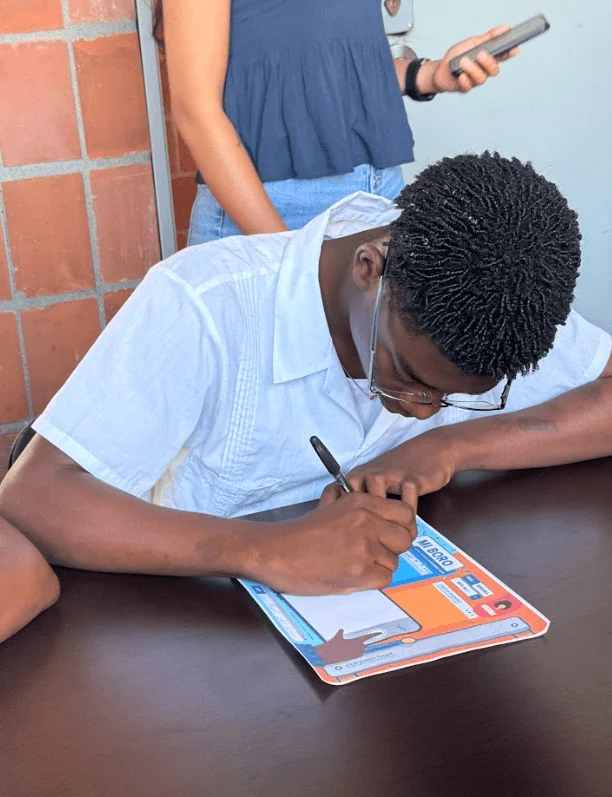
The training was experienced as an experience, dialogue, and creation from a cultural and community perspective.
Malungatorios, Malungaje, and traveling museum: creation based on identity and collective care
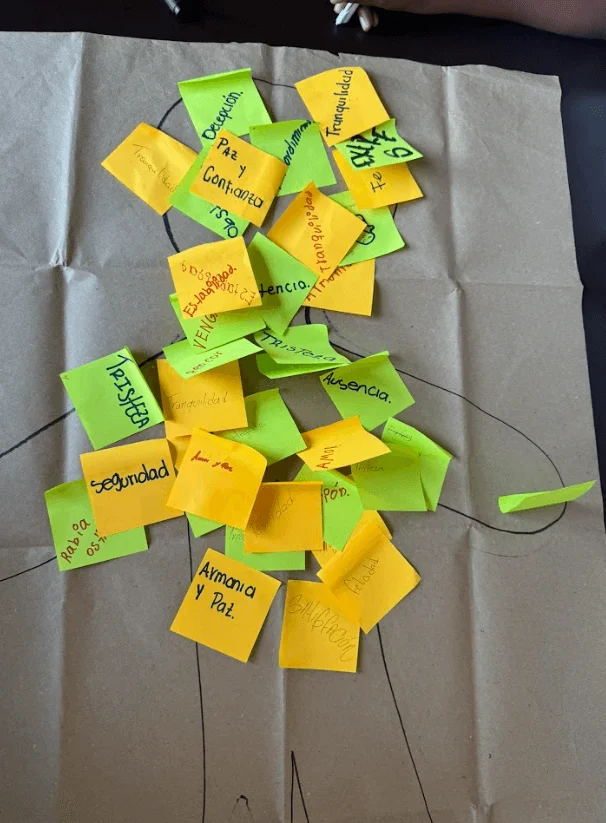
As a result of the training cycle, the participating youth brought to life a traveling museum, built from their cultural identities and the works created during the face-to-face meetings called Malungatorios.
These co-creation spaces were inspired by the legacies of the Malungaje, a philosophy of life that, among Afro-descendant Black communities, underpins the twinningthe empathy and the collective care that sustain community life.
The traveling museum established itself as a way of narrating the territory from the perspective of young people, highlighting creative abilities, and affirming culture as a mechanism of protection.
In this sense, artistic creation became a language for discussing risks, dignity, memory, and the future.
Baseline: 100 voices from the territory (how it was built and what it is used for)
As a key part of the initiative, a baseline on the issue of involvement and recruitment in the region. To this end, the following were consulted: 100 people by means of:
° Focus groups with students from educational institutions in priority municipalities.° Individual interviews with teaching staff.° Discussions with local authorities and community leaders.
This exercise provided reliable, contextualized, and relevant information that will guide future prevention actions, as well as the creation of the Manifesto for Peace, Nonviolence, and Life.
Multi-stakeholder dialogues and institutional coordination
The initiative also included the implementation of multi-stakeholder dialogues with public institutions, community organizations and international cooperation to strengthen strategies to prevent forced recruitment.
These spaces recognize and highlight the ancestral knowledge people of African descent as protective mechanisms for individual and collective life projects.
Institutional coordination is understood as a way to pool capabilities, coordinate responses, and sustain care and protection actions over time.
Municipalities affected in northern Cauca
The intervention reached urban and rural communities in northern Cauca and directly impacted the municipalities of:
- Puerto Tejada
- Villarrica
- Corinth
- Calote
- Padilla
Main objectives and next steps
The strategy was guided by the following objectives for its implementation:
- Prevent the involvement and recruitment of children and adolescents from Afronortecauca through cultural and ancestral practices that strengthen individual and collective capacities.
- Consolidate a regional baseline on the issue of recruitment.
- Promote educational, artistic, deliberative, and political advocacy spaces.
- Identify and strengthen ethnic-community care, prevention, and protection mechanisms in the territories.
With “Territories of Peace”the Friends of UNESCO Corporation Reaffirms its commitment to defending life, dignity, and peacebuilding alongside the Afro-descendant peoples of northern Cauca.
Frequently asked questions
It seeks to strengthen protection, collective care, and prevention of the involvement and recruitment of children and adolescents by armed groups and criminal structures in northern Cauca.
It included a training cycle focused on arts, spirituality, and territorial knowledge, with the active participation of young people from the northern part of Cauca.
Malungatorios are face-to-face co-creation meetings inspired by Malungaje, a philosophy of life based on sisterhood, empathy, and collective care in Afro-descendant communities.
One hundred people were consulted through focus groups with students, interviews with faculty, and dialogues with local authorities and community leaders.
Puerto Tejada, Villarrica, Corinto, Caloto, and Padilla.


